Wondering whether Johns Island should be your next move? If you want more room, a quieter setting, and easy access to nature while still staying connected to the Charleston area, Johns Island often lands high on the list. The key is knowing what daily life really looks like here, what tradeoffs come with that lifestyle, and what details matter most before you buy. Let’s dive in.
What Johns Island feels like
Johns Island is best described as a semi-rural Charleston-area market rather than a typical suburb. Local planning documents have long framed the island as a place for people who want a more rural environment close to downtown Charleston.
That difference matters when you start home shopping. Instead of one uniform pattern of neighborhoods and shopping centers, Johns Island is more of a mix of country sections, established homes, newer development nodes, and major road corridors.
For many buyers, that is exactly the appeal. You may find more breathing room, more land, and a slower pace than in more built-out parts of the Charleston area.
Why buyers choose Johns Island
More space and lower-density living
One of the biggest reasons buyers look at Johns Island is space. In older and more rural parts of the island, zoning in unincorporated Charleston County allows relatively low residential density in some districts, which helps explain why parts of the island feel more open than inner-ring suburban areas.
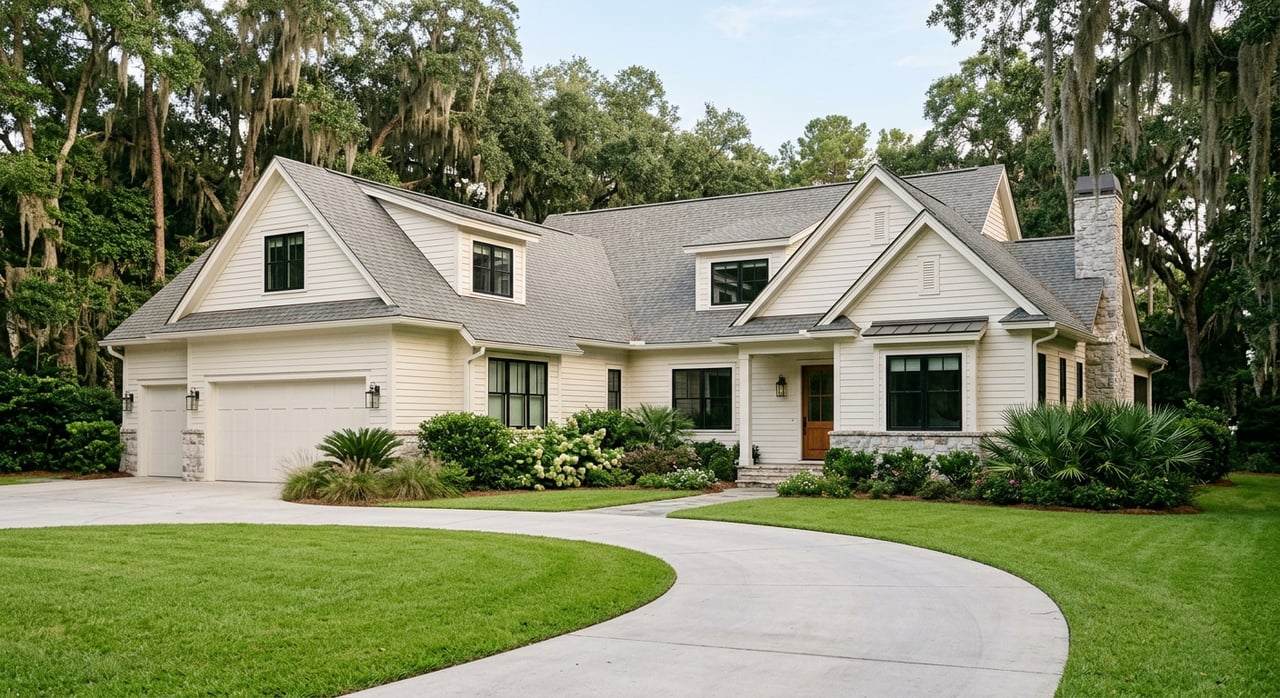
Depending on the property and zoning district, you may see larger lots, acreage, or neighborhoods with more separation between homes. That can be a strong fit if you want room for outdoor living, privacy, or a less crowded feel.
A slower pace near Charleston
Johns Island gives you a different rhythm than more urban parts of the region. Planning efforts for the island have focused on preserving rural character while steering denser growth toward parts of Maybank Highway and Main Road.
In practical terms, that means you can still stay within reach of Charleston’s amenities while living somewhere that feels less intense day to day. If your priority is peace and space over constant activity, Johns Island may feel like a smart balance.
Strong access to outdoor recreation
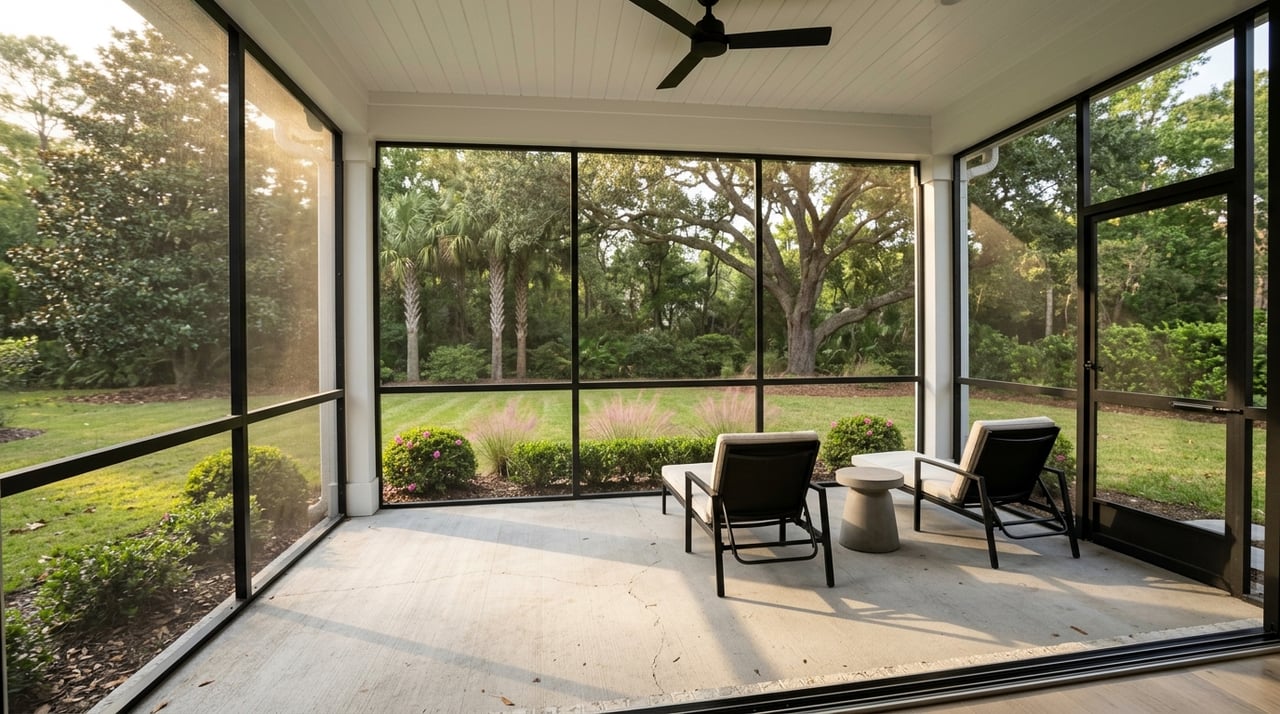
Outdoor access is one of Johns Island’s strongest lifestyle advantages. Angel Oak Park is located on Johns Island and has no admission charge, and Johns Island County Park covers more than 700 acres with wooded trails, equestrian amenities, archery, and disc golf.
The area is also set to add more recreation options. The City of Charleston is designing a Johns Island Recreation and Aquatic Facility of about 50,000 square feet, with planned features that include a pool, therapy pool, basketball and volleyball courts, indoor pickleball, a yoga studio, and outdoor amenities.
What housing looks like on Johns Island
A mix of old, new, and in-between
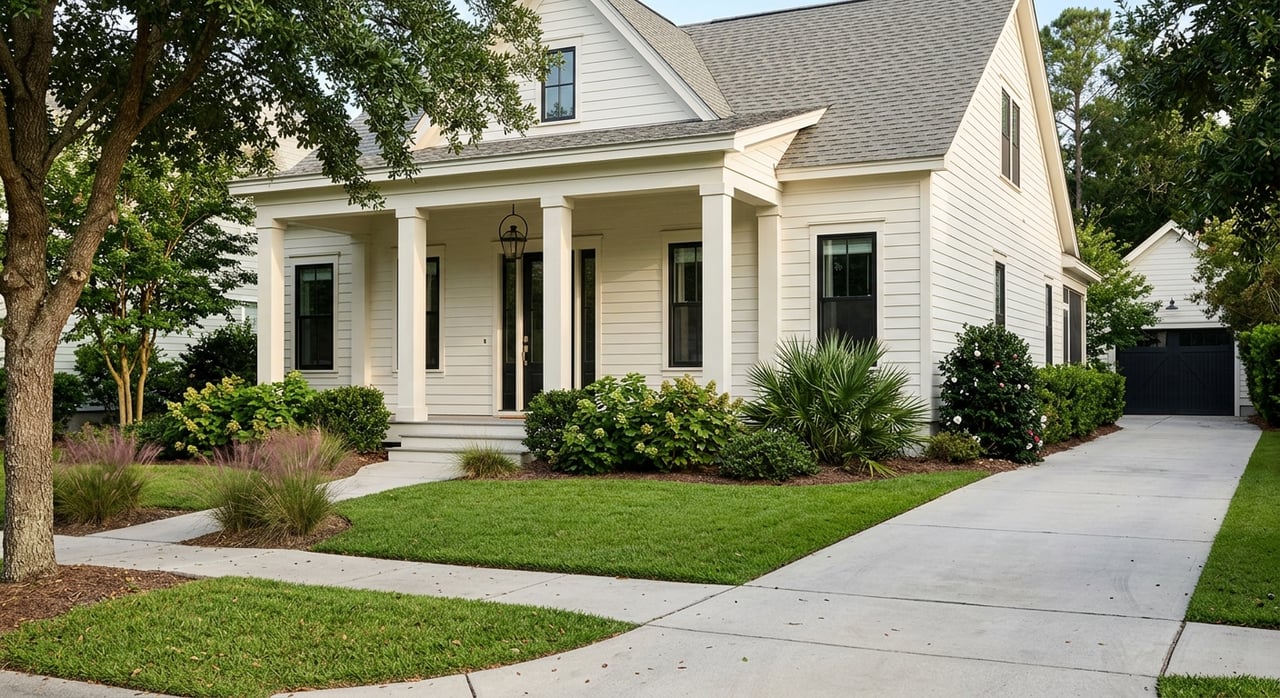
Johns Island does not have one single housing style or layout. County planning materials describe older single-family homes along the Maybank corridor, some apartment communities set back from the roadway, and newer multi-family and commercial development in parts of the Main Road corridor.
That creates a patchwork feel. One area may feel distinctly rural, while another may have a more planned, village-style layout with newer homes and nearby services.
Planned communities are part of the market
Newer planned communities play a meaningful role in the Johns Island market. Kiawah River, for example, is a 1,427-acre planned development that includes a mix of single-family detached, single-family attached, and multi-family housing, along with required open space and workforce housing.
Another example is The Settlement at Johns Island, which county materials describe as a destination with dining, retail, and services arranged around a central park-like area. Developments like these show how some newer parts of Johns Island aim to offer convenience without feeling fully urban.
Pricing is not entry-level
If you are hoping Johns Island is a bargain alternative, it is important to set expectations early. Recent market trackers pointed to a median sale price of about $646,000 in April 2026, with homes taking about 77 days to sell on average, while another tracker showed around 169 active homes in March 2026 and a 99% sale-to-list ratio.
Those figures come from different sources and timeframes, so they are best used as directional signals. Still, they suggest Johns Island remains a relatively strong-price market rather than a low-cost entry point.
What daily life is really like
Expect to drive
Johns Island is not built around dense walkability. Daily life often revolves around Maybank Highway and Main Road, which serve as the main corridors for commuting, errands, and access on and off the island.
If you like the idea of a quieter home setting and do not mind driving for many day-to-day needs, that may not be a drawback. But if you want an all-in-one, highly walkable environment, Johns Island may feel less convenient.
Traffic is part of the tradeoff
There is no way around this one. County planning documents identify Maybank Highway as a major transportation corridor carrying large traffic volumes, and efforts along the corridor have focused on improving safety, traffic flow, and development standards.
That means the slower pace at home can come with busier peak-hour travel. If your routine requires frequent off-island trips, commute patterns should be part of your decision.
Dining is available, but clustered
Johns Island has a local dining scene, but it is not spread evenly throughout the island. Current destination guides list places such as Minero, Gilligan’s Seafood, Lost Isle, The Royal Tern, and Wild Olive.
That mix gives you solid local options, but the pattern is still more clustered than urban. You are more likely to visit dining pockets along major roads than stroll through a dense restaurant district.
What buyers should check before making an offer
Flood zones and drainage
Flooding and drainage should be near the top of your due diligence list on Johns Island. The City of Charleston’s restoration planning notes that the island’s low relief, poorly draining soils, and tidal watersheds contribute to flood risk.
The same planning work also notes that added pavement and rooftops can increase runoff and flood-management challenges. For any property you are considering, it is wise to verify flood zone status, ask about drainage conditions, and understand possible insurance implications.
City versus county details
Another important point is that Johns Island does not fall under one uniform zoning framework. Parts of the island are within the City of Charleston, while other properties are in unincorporated Charleston County.
That difference can affect zoning, development standards, and property-specific rules. Before you buy, make sure you understand which jurisdiction the property falls under and how that may affect your plans.
Property-by-property differences
Because Johns Island is so varied, broad assumptions can lead to mistakes. Two homes with similar price tags may offer very different lot sizes, development patterns, road access, flood considerations, or nearby uses.
That is why local guidance matters here. Looking beyond the listing photos and comparing the full property context can help you avoid surprises after closing.
Who Johns Island fits best
Johns Island tends to work best for buyers who value:
- More room to spread out
- A semi-rural setting near Charleston
- Outdoor recreation and natural surroundings
- A quieter pace of life
- The option of newer planned communities with amenities
It may be less ideal if your top priorities are:
- Short, traffic-light commutes
- Dense walkability
- A highly urban retail and dining pattern
- A lower entry price point
The bottom line on Johns Island
Johns Island can be a great choice if you want space, nature, and a slower pace while staying within reach of the Charleston area. Its biggest strengths are its semi-rural character, outdoor access, and range of housing options from established homes to newer planned communities.
The biggest tradeoffs are just as important to understand. Traffic on key corridors, car dependence, flood and drainage due diligence, and property-specific jurisdiction details all deserve close attention before you commit.
If you want help comparing Johns Island to other Charleston-area options, or you are ready to evaluate specific homes with a local strategy in mind, Synergy Group Properties can help you move forward with clear guidance and practical support.
FAQs
Is Johns Island more rural or suburban for homebuyers?
- Johns Island is generally considered a semi-rural market rather than a fully suburban one, with a mix of country sections, corridor development, and newer planned communities.
Are home prices on Johns Island affordable for first-time buyers?
- Recent market data suggests Johns Island is a stronger-price market, with a reported median sale price around $646,000, so it may not fit every entry-level budget.
What should buyers know about commuting from Johns Island?
- Most daily travel depends on Maybank Highway and Main Road, and peak-hour congestion is a common part of living on Johns Island.
What types of homes can you find on Johns Island?
- Johns Island includes older single-family homes, larger-lot rural properties in some areas, apartments in certain corridors, and newer planned communities with a range of housing types.
What due diligence matters most when buying a home on Johns Island?
- Buyers should closely review flood zone status, drainage conditions, insurance implications, and whether a property is located in the City of Charleston or unincorporated Charleston County.