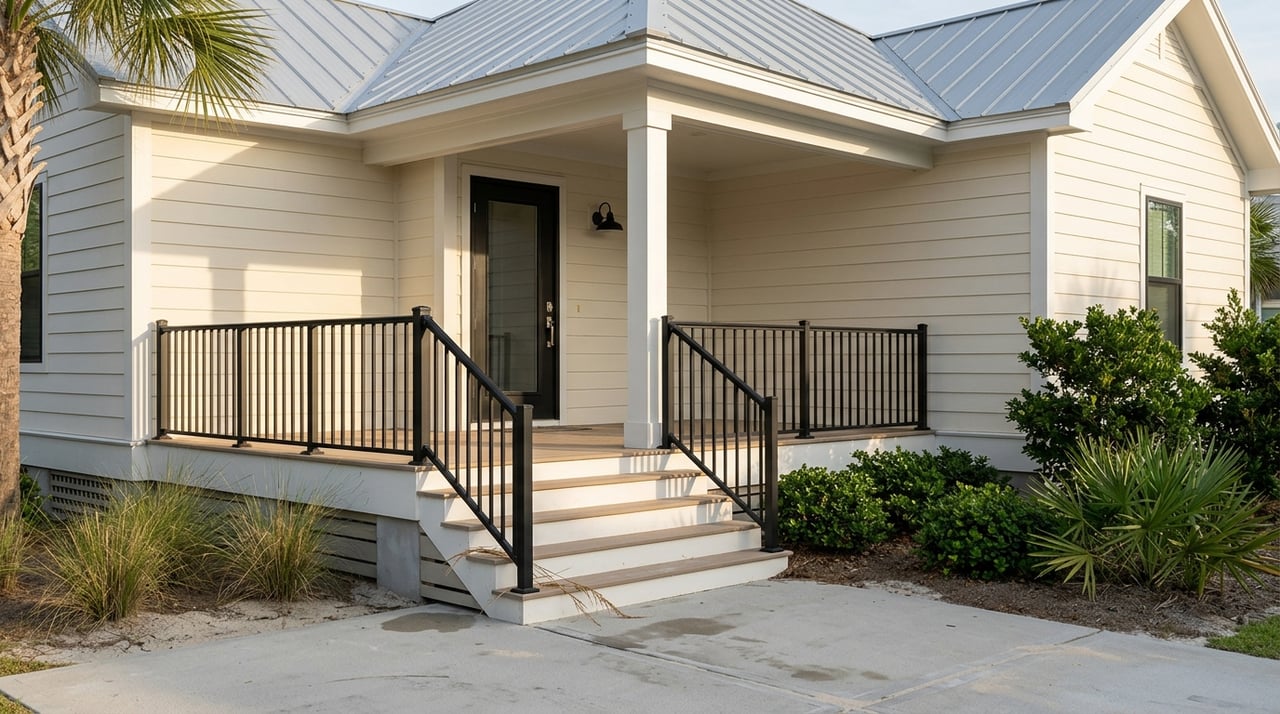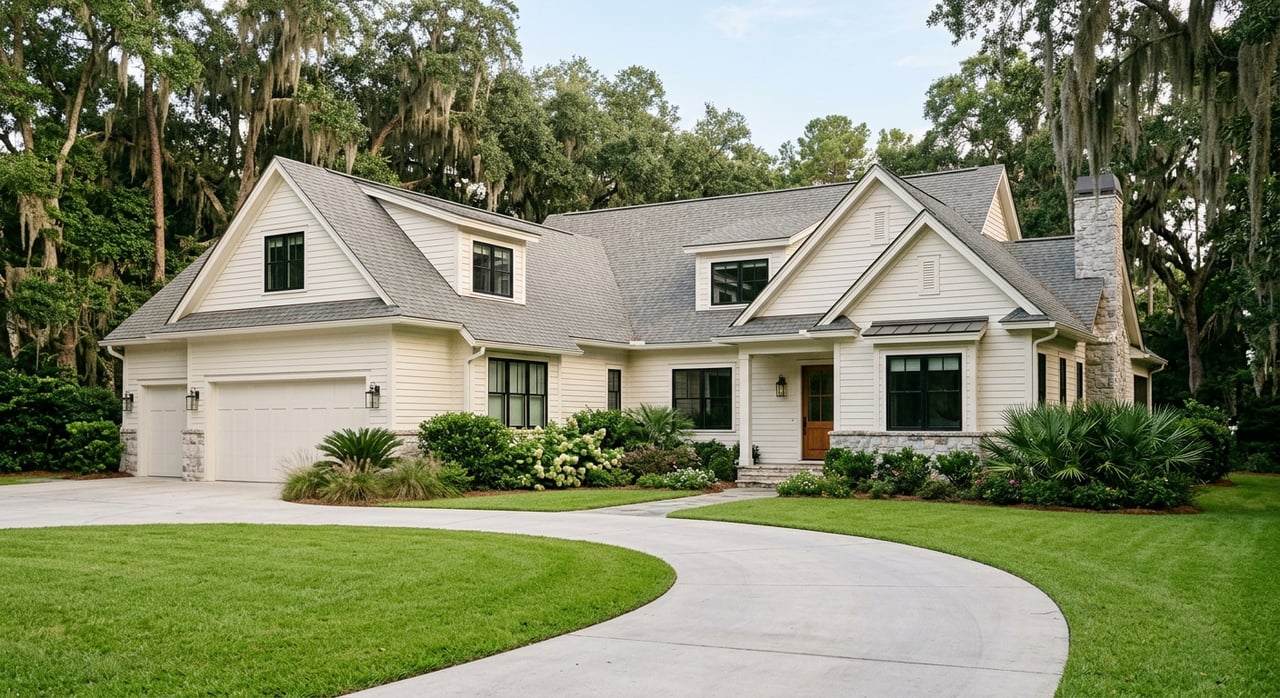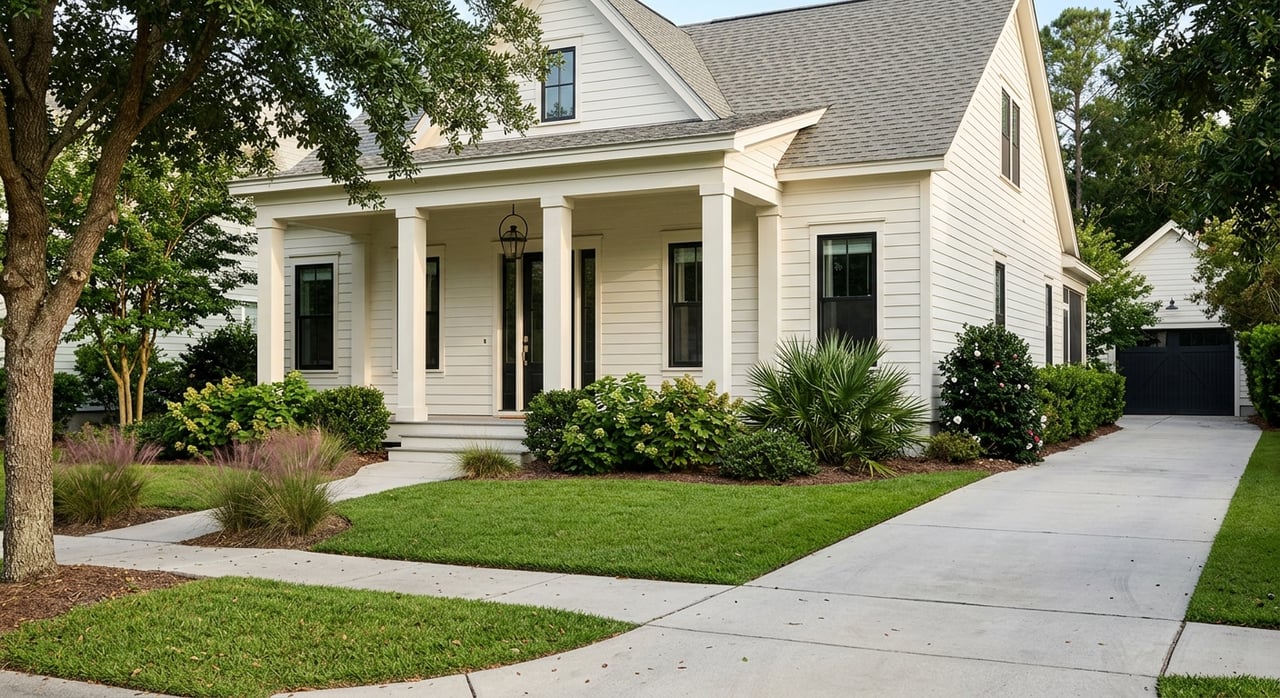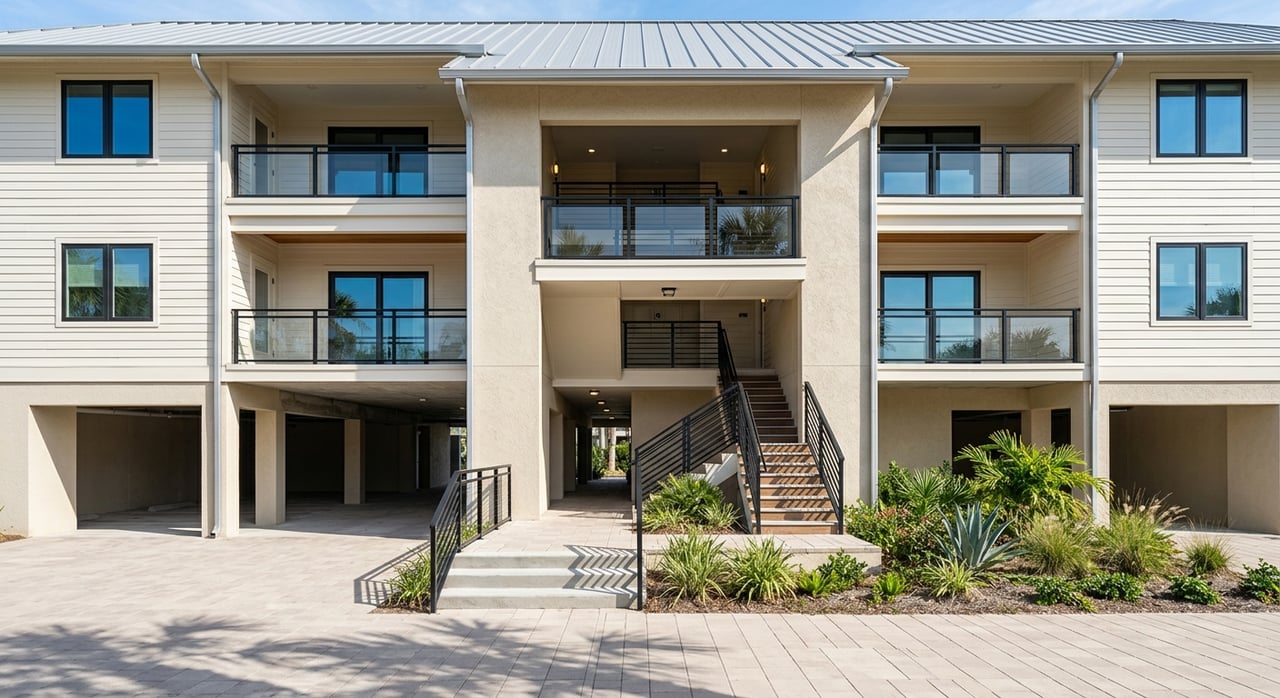
Buying on Isle of Palms is not the same as buying in most of the Charleston area. Here, your decision is not just about square footage, style, or price. You are also buying into a barrier-island setting where flood exposure, insurance details, maintenance, and rental rules can shape your long-term costs and day-to-day ownership. If you are deciding between a house and a condo, this guide will help you compare the tradeoffs, ask smarter questions, and move forward with more confidence. Let’s dive in.
Why Isle of Palms Feels Different
Isle of Palms is a barrier island with about six miles of white sandy beaches, and the city notes that the island is low-lying and drains poorly. That one fact affects a lot of what buyers need to consider, from flood zones to exterior upkeep to insurance planning.
It is also a premium coastal market. Recent snapshots vary by source and timing, but they all show high price points. Redfin reported a three-month median sale price ending May 2026 of about $1.82 million, while Zillow showed an April 2026 median sale price of $1.495 million and an end-of-May 2026 median list price of about $2.1 million.
Inventory is limited, but buyers still have options. Zillow showed 130 for-sale listings on May 31, 2026, and Redfin showed 12 condos for sale with a median listing price of $987,000. That means your best fit may come down less to whether something exists and more to whether the ownership style matches how you plan to use the property.
Homes vs Condos on Isle of Palms
Choosing between a detached home and a condo or villa usually comes down to control, maintenance, and budget. Both can work well, but they solve different problems.
When a Single-Family Home Makes Sense
A detached home may be the better fit if you want more privacy, more outdoor space, and more direct control over the property. You are typically making your own decisions about exterior care, repairs, and updates rather than following an association structure for shared elements.
Current listing examples show how broad the price range can be. Zillow examples for single-family homes range from about $1.099 million to $11.575 million, with many properties falling between roughly $1.85 million and $3.75 million. In practical terms, Isle of Palms houses are generally not a starter-home market.
That pricing pattern reflects more than just the house itself. On Isle of Palms, land, location, and coastal setting can carry substantial value, even when a home is older or smaller than what you might compare it to inland.
When a Condo or Villa Makes Sense
A condo or villa may be the better fit if you want a lower-maintenance ownership experience. Under South Carolina law, condominium ownership includes your individual unit plus a shared interest in the common elements, and the association is responsible for operating the condominium and maintaining those common elements.
That setup can make ownership simpler in some ways, but it also means monthly dues and shared financial responsibilities matter a lot. Buyers should review what the dues cover, how reserves are funded, and whether there is any risk of special assessments.
Current condo examples on Isle of Palms show a wide range. Redfin examples include a 1-bedroom, 1-bath unit at $939,000, a 3-bedroom, 3.5-bath unit at $1.275 million with $721 HOA dues, and a 3-bedroom, 3.5-bath Ocean Club Villas unit at $3.495 million with $1,081 HOA dues.
Wild Dunes stands out as a prominent condo area on Isle of Palms. For many buyers, that means weighing resort-style convenience against ongoing fee structures and shared rules.
How to Compare the Real Cost
The sticker price is only part of the story on Isle of Palms. To compare homes and condos fairly, you need to look at ownership costs as a full picture.
For a detached home, your costs may include more direct exterior maintenance, drainage-related upkeep, and separate planning for flood, wind, and hail coverage. For a condo, some exterior responsibilities may be handled through the association, but you still need to understand your dues, insurance responsibilities, and possible assessment exposure.
A simple way to compare options is to ask:
- What is the purchase price?
- What are the monthly or annual dues?
- What insurance policies will you need personally?
- What exterior maintenance costs are shared versus owner-paid?
- Is there a history of special assessments or major upcoming projects?
- How will you use the property full-time, part-time, or as a rental?
Flood and Storm Questions Matter More Here
On Isle of Palms, flood due diligence is not optional. The city says flood insurance is common on the island, notes that more than 3,675 flood insurance policies are in effect, and allows property owners to request a free official flood zone determination.
That matters because the island’s low elevation and poor drainage can affect both risk and cost. Before you close, you should confirm the property’s flood zone, ask what the current owner pays for flood coverage if applicable, and understand whether future improvements could trigger current building-standard requirements.
The city also has specific flood-zone construction standards. All new construction and substantial improvements must meet current flood-zone rules. In VE zones, plans must be stamped and signed by an architect or engineer and include V-zone certification, while AE-zone projects typically also need an architect’s stamp unless the building official exempts the project.
For buyers, the takeaway is simple. If you plan to renovate, raise, expand, or significantly improve a property, those rules can affect timeline, budget, and feasibility.
Wind, Hail, and Insurance Planning
Insurance on a coastal property deserves early attention, not last-minute attention. The South Carolina Wind and Hail Underwriting Association serves as the state’s residual property insurance market for wind and hail in coastal Beach territory.
That does not mean every buyer will use that market, but it does mean you should confirm exactly how wind and hail coverage will be handled before closing. If you are buying a condo, you should also review the association’s insurance documents to understand what the master policy covers and what you need to insure personally.
This is one of the biggest reasons two properties with similar prices can feel very different financially. Insurance structure can change your monthly ownership cost just as much as taxes or dues.
Maintenance Looks Different on the Coast
Coastal ownership usually requires a sharper eye for water-related wear. Based on the city’s flood and drainage warnings and the island’s coastal exposure, buyers should pay close attention to drainage, exterior seals, and other possible water-intrusion points.
For a house, that may mean reviewing grading, exterior materials, roof condition, and how water moves away from the structure. For a condo, it may mean understanding which parts of the building are maintained by the association and whether upcoming work could affect your costs.
Neither option is automatically easier in every case. The key is knowing which maintenance responsibilities are yours and which are shared.
Taxes and Primary Residence Rules
If you plan to make the property your primary home, property tax treatment can matter. Charleston County says the 4% legal residence assessment ratio applies when the home is the owner’s primary legal residence, but the exemption is not automatic. You must apply and prove eligibility.
For qualifying older owners and qualifying disabled or blind owners, the county’s homestead exemption excludes the first $50,000 of fair market value from the legal residence. If that may apply to you, it is worth confirming the requirements early in your ownership planning.
This is especially important for buyers comparing a primary residence with a second-home or investment use. The tax impact may not be the same.
Rental Plans Need Extra Review
If you plan to rent the property, make that part of your search from day one. Isle of Palms requires a short-term rental business license for owners renting residential units for any length of time, and the ordinance includes maximum overnight occupancy calculations.
If you are buying a condo or villa, do not stop with the city rules. You also need to review the association’s rental rules, governing documents, and insurance structure because those can affect what is allowed and how the property may be used.
This is one area where buyers can make expensive assumptions. A property that looks like a great rental candidate still needs to work under both local rules and association rules.
Smart Questions to Ask Before You Offer
On Isle of Palms, a strong offer is not just about price. It is also about knowing the right questions before you commit.
Start with these:
- Is the property in a flood-prone zone?
- What do the HOA or regime dues cover?
- Are there reserves for future repairs?
- Is there any known special assessment risk?
- Is there a master-policy deductible pass-through?
- How is wind and hail coverage handled?
- Can the property legally be used for short-term rentals?
- If you plan improvements, what flood-zone building rules may apply?
These questions help you compare properties more clearly and avoid surprises after closing.
How to Choose the Right Fit
If you want more privacy, yard space, and direct control, a single-family home may be the better match. If you want a more shared, potentially lower-maintenance setup, a condo or villa may be the smarter path.
The right answer depends on how you plan to live in the property, how much hands-on responsibility you want, and how comfortable you are with dues, shared governance, and rental or insurance limitations. On Isle of Palms, the best purchase is usually the one that fits your lifestyle and your risk tolerance, not just your wish list.
A local, detail-focused buying strategy can make a big difference here. If you want help comparing homes and condos on Isle of Palms, the team at Synergy Group Properties can help you evaluate the full picture and move forward with confidence.
FAQs
What is the main difference between buying a house and a condo on Isle of Palms?
- A house usually gives you more privacy, outdoor space, and control over exterior decisions, while a condo usually offers shared maintenance of common elements through an association.
What should buyers know about flood risk on Isle of Palms properties?
- Isle of Palms is low-lying and drains poorly, flood insurance is common, and buyers should confirm the flood zone, insurance needs, and how flood rules could affect future improvements.
What do condo HOA or regime dues cover on Isle of Palms?
- Coverage varies by association, but dues generally support operation of the condominium and maintenance of common elements, so buyers should review the documents carefully.
Can you use an Isle of Palms home or condo as a short-term rental?
- Isle of Palms requires a short-term rental business license for owners renting residential units for any length of time, and condo buyers must also check association rental rules.
How do primary residence property taxes work in Charleston County?
- The 4% legal residence assessment ratio may apply if the property is your primary legal residence, but you must apply and prove eligibility because the exemption is not automatic.
Why is insurance planning so important when buying on Isle of Palms?
- Coastal properties may require special attention to flood, wind, and hail coverage, and buyers should confirm how those coverages will be handled before closing.